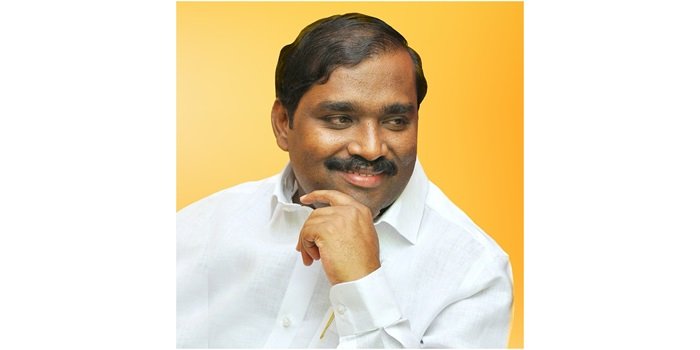
Beyond the Classroom: How Muqarrab Hadi Is Using Nature, Animals and Real-Life Experiences to Transform Learning
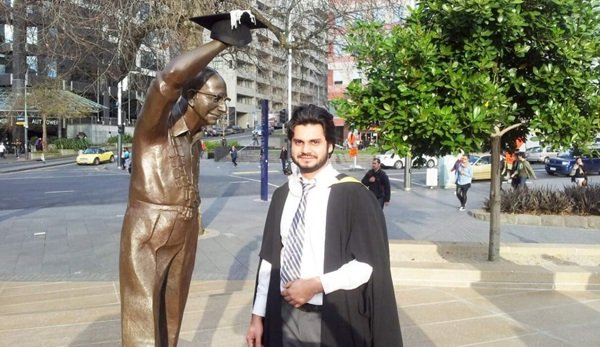
Muqarrab Hadi — Educationist, Academic, Author & School Director
In an age when children are increasingly surrounded by screens, digital content and virtual experiences, educationist Muqarrab Hadi believes that some of the most valuable lessons can still be found outside the classroom.
His approach to education focuses on giving children opportunities to observe, experience and interact with the world around them. For Hadi, a school should not only be a place where children learn from books and teachers; it should also be a place where they can discover nature, understand living beings and develop curiosity through real-life experiences.
One of the distinctive features of his approach is the use of nature, plants, birds and animals as part of children’s learning environment.
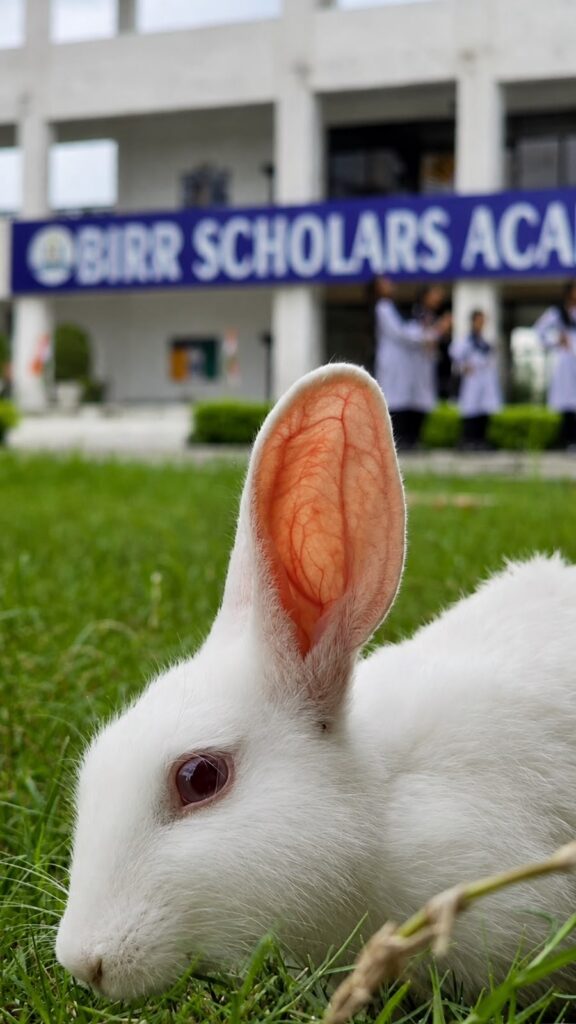
At his schools, children have opportunities to observe birds and animals closely and learn about their behaviour and needs. They are also encouraged to understand plants and nature through direct observation rather than learning about them only through textbooks.
Hadi believes that when children see a plant growing, observe a bird, understand how an animal behaves or participate in caring for a living being, they develop a different kind of knowledge—one that combines information with empathy and responsibility.
“Children should not only read about nature; wherever possible, they should experience it,” is the philosophy behind this approach.
For Hadi, experiential learning does not mean replacing classroom education. Instead, it complements academic learning by allowing students to connect what they study with what they see in real life.
A lesson about plants can become more meaningful when a child can actually observe a plant, understand its growth and learn why it needs water, sunlight and care. Similarly, learning about animals can become more engaging when students have the opportunity to observe their behaviour and understand the importance of treating living beings with compassion.
This approach is particularly relevant at a time when many children spend a significant amount of their free time on smartphones and digital platforms.
Hadi believes technology has an important role in modern education, but children also need opportunities to put screens aside and interact with the physical world.
Books, sports, gardens, animals, plants, experiments, conversations and outdoor activities can provide children with experiences that cannot always be replicated through a screen.
His philosophy is connected with a broader belief that the world itself can become a classroom.
Hadi has also observed that children learn differently when they are given opportunities to explore rather than simply being instructed. Curiosity encourages questions, and questions often become the starting point of meaningful learning.
This approach extends beyond science and environmental education. Interaction with animals can teach responsibility. Caring for plants can develop patience. Working together during activities can build teamwork. Sports can develop discipline and resilience. Communicating with others can strengthen confidence.
In this way, education becomes connected with everyday life.
Hadi’s international academic and professional experience has also influenced his thinking. With an engineering background and educational exposure in New Zealand, followed by professional experience as a professor in the Middle East, he has experienced different educational environments and interacted with students from diverse backgrounds.
He believes Indian schools have the opportunity to combine strong academic foundations with practical experiences, creativity, communication and values.
Through his work with Hadi Academy and Birr Scholars Academy, Hadi has sought to create learning environments where children can participate in activities beyond conventional classroom teaching.
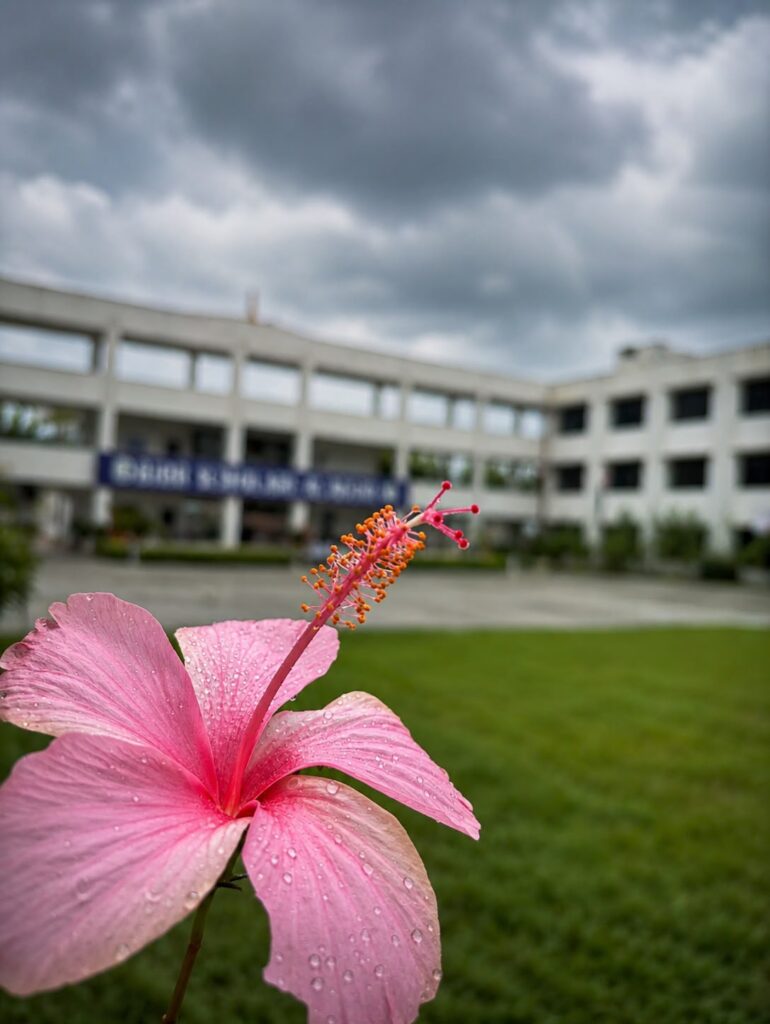
His approach also reflects his interest in writing and communication. Hadi has authored books in both English and Hindi, using writing as another medium to share knowledge and ideas related to education and society.
For Hadi, the objective is not to make the classroom less important, but to make the entire educational experience richer.
A child reading about an animal is learning. A child observing that animal is learning differently. A child learning to care for it is developing responsibility. A child asking why it behaves in a particular way is developing curiosity.
These small experiences can gradually influence how children understand the world.
Hadi believes that education should therefore encourage children to observe, question, explore and care.
In his view, preparing children for the future requires more than academic knowledge. They need confidence to communicate, curiosity to learn, discipline to work, empathy to understand others and awareness of the world they live in.
“Education should not end when a child closes a textbook,” Hadi believes. “Learning should continue when the child steps outside the classroom.”
For him, a garden can be a laboratory, a bird can become a lesson in observation, an animal can teach responsibility, a sport can teach teamwork and a conversation can teach communication.
This philosophy represents a simple but powerful idea: the best learning often happens when children are given the opportunity to experience what they are being taught.
As schools prepare children for a rapidly changing world, Hadi believes that education must remain connected to something timeless—the curiosity of a child and the world around them.
Beyond the classroom lies an entire world waiting to be explored. For Muqarrab Hadi, that world is not separate from education—it is part of education itself.